
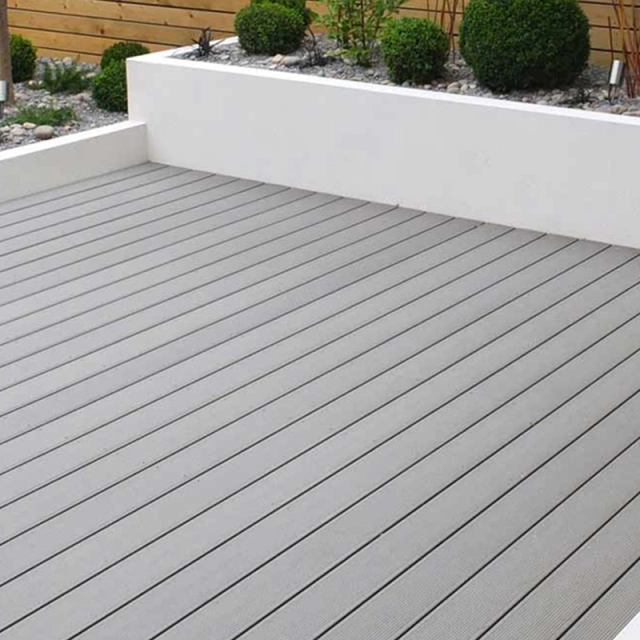
Wood plastic tile is a flooring material made from a mix of wood fibers and recycled plastics. It combines the natural look of wood with durability and eco-friendliness. These tiles are resistant to moisture, rot, and decay, making them suitable for indoor and outdoor use.
They're easy to maintain and come in various patterns and sizes. The manufacturing process involves heating and molding the mixture into the desired shape. This results in a strong, long-lasting tile that mimics the appearance of wood while being more resilient. So, if you want a stylish yet sturdy flooring option, wood plastic tiles could be a great choice!

Wood plastic tiles offer a range of advantages that make them a popular choice for flooring:
Natural Aesthetics: These tiles provide the warm and inviting look of real wood, enhancing the beauty of your space.
Durability: With their combination of wood fibers and recycled plastics, they're resistant to wear, ensuring a longer lifespan.
Moisture Resistance: Unlike traditional wood, they don't absorb moisture, making them ideal for bathrooms and kitchens.
Rot and Decay Prevention: Their composition makes them highly resistant to rot and decay, even in damp environments.
Versatility: Applicable indoors and outdoors, you can utilize them across different areas within your home.
Easy Maintenance: Wood plastic tiles are easy to clean and require minimal upkeep, saving you time and effort.
Environmentally Friendly: They use recycled plastics, reducing the demand for new plastic production and minimizing waste.
Color Retention: These tiles retain their color well, maintaining their appearance even after extended use.
Temperature Tolerance: They withstand temperature changes without warping, making them suitable for different climates.
Cost-Effective: While resembling real wood, they come at a fraction of the cost, offering value for your money.
Installation Ease: The tiles are simple to install, often using interlocking mechanisms that don't require adhesives.
Allergy-Friendly: Wood plastic tiles don't trap dust or allergens, creating a healthier indoor environment.
UV Resistance: They resist fading and damage from sunlight exposure, retaining their look over time.
Design Variety: Available in various patterns, sizes, and textures, they offer design flexibility to match your style.
Noise Reduction: Their structure dampens sound, reducing noise levels in your living spaces.
Pet-Friendly: These tiles are scratch-resistant, making them a practical choice for households with pets.
Sustainability: By using recycled materials, they contribute to a greener environment and reduced plastic waste.
let's start with the manufacturing process of wood plastic tiles with more comprehensive details:
The process begins with the careful selection of raw materials. We choose wood fibers or flour from various wood species for their texture and strength. We use recycled plastics, often sourced from post-consumer materials like plastic bottles, to create the polymer matrix.
To enhance the tiles' properties, we introduce additives into the mixture. We include UV stabilizers to shield the tiles from sun exposure, preventing color fading and material degradation. We add colorants to achieve desired shades and tones, offering a range of aesthetic options.
We blend the wood fibers or flour and recycled plastics, along with the additives, in precise proportions. We heat this mixture to create a molten, homogenous blend. This step ensures that the wood and plastic components are evenly distributed, resulting in a consistent material composition.
In this method, we force the molten blend through a specialized die, which imparts the desired shape and dimensions to the tiles. This process is similar to squeezing dough through a cookie cutter. The newly formed tiles are then cooled rapidly to solidify their structure.
Alternatively, you can inject the molten blend into molds that define the tile's shape. Injection molding enables you to reproduce intricate designs and detailed patterns accurately.The molds are carefully designed to accommodate various tile sizes and textures.
After shaping, the tiles undergo rapid cooling to solidify their structure. This cooling phase is essential to maintaining the tiles' form and preventing warping or distortion.
The extrusion and injection molding processes allow manufacturers to experiment with various patterns, sizes, and textures. This flexibility ensures that wood plastic tiles can mimic the appearance of different types of wood grains, providing a wide range of aesthetic options.
Manufacturers can add surface textures during the extrusion or injection molding process. These textures replicate the feel and appearance of natural wood, enhancing the tiles' visual appeal and authenticity.
Before tiles reach the market, they undergo rigorous quality control checks. These assessments include testing for moisture resistance, durability, color retention, and compliance with safety standards. We deem tiles that meet these criteria suitable for use and distribution.
Once we complete quality control checks, we securely package the tiles for shipping. We choose packaging materials to prevent any damage during transportation and storage.

Crafters make wood plastic tiles from a mix of wood fibers or flour and recycled plastics.
Yes, they are resistant to moisture and decay, making them suitable for outdoor spaces.
Wood plastic tiles offer the look of wood with added durability and moisture resistance.
Yes! They often feature interlocking mechanisms that simplify installation without the need for adhesives.
Yes, they use recycled plastics and reduce the demand for new plastic production, contributing to sustainability.